
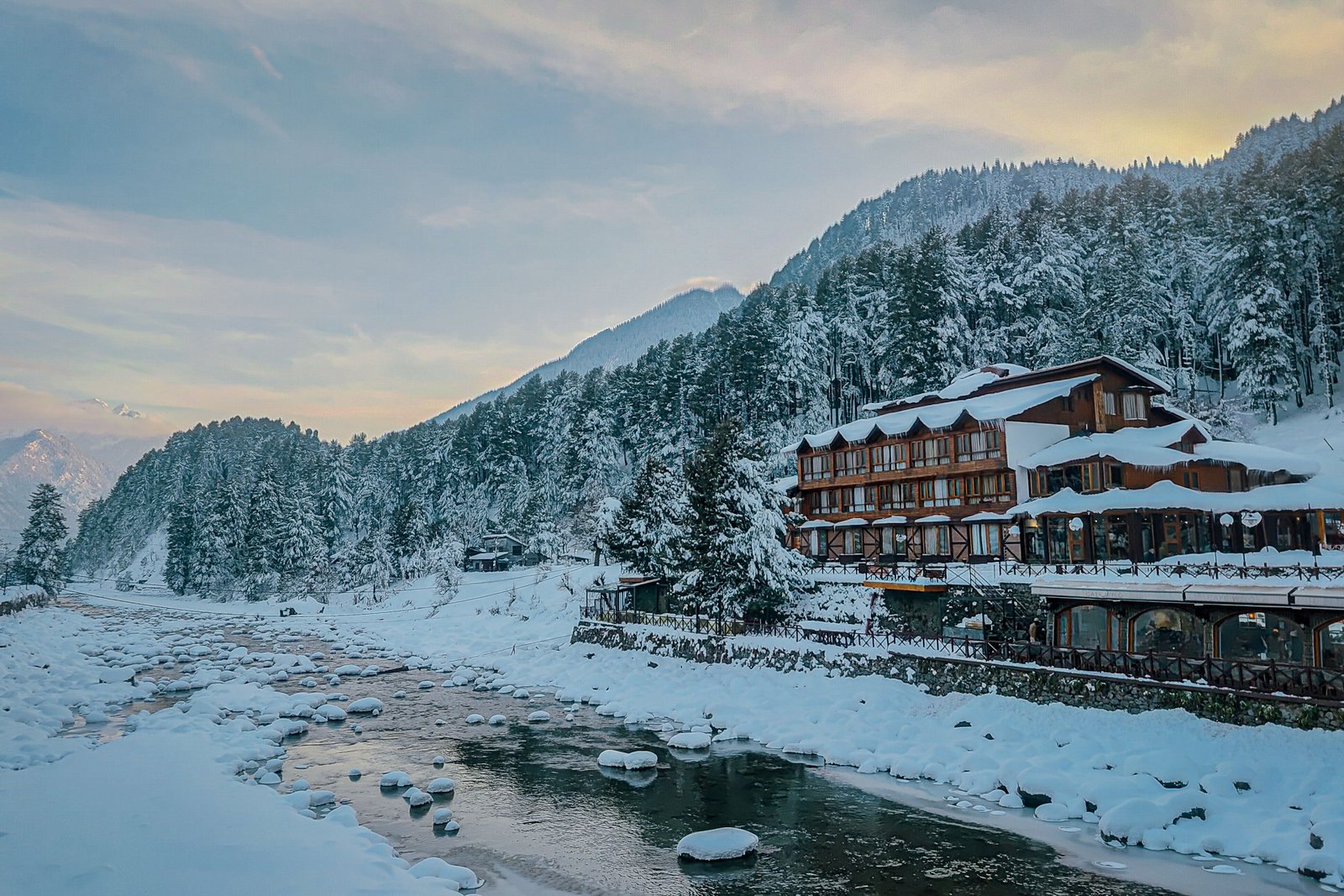
Kashmir Winter Temperature: December, January & February
Kashmir becomes significantly colder between December and February, but temperatures are not the same everywhere.
Srinagar is generally warmer, while mountain destinations such as Gulmarg and Pahalgam regularly have sub-zero winter nights. This difference is important when deciding what to wear, where to stay and how to plan sightseeing.
According to India Meteorological Department climatological data, January is particularly cold across the main tourist destinations, with Gulmarg's historical mean daily minimum falling to around -7.7°C.
Kashmir Winter Temperature at a Glance
| Destination | December | January | February |
|---|---|---|---|
| Srinagar | -1.6°C min / 9.9°C max | -1.9°C min / 7.1°C max | 0.7°C min / 10.5°C max |
| Gulmarg | -4.8°C min / 4.6°C max | -7.7°C min / 0.7°C max | -6.4°C min / 1.8°C max |
| Pahalgam | -4.2°C min / 7.9°C max | -6.1°C min / 4.9°C max | -3.9°C min / 7.2°C max |
These figures are historical climatological averages, not forecasts for a particular travel date. Srinagar and Gulmarg figures are from IMD's 1991–2020 climatological tables; the Pahalgam table uses the 1981–2020 period.
Kashmir Temperature in December
December marks the transition into the colder part of Kashmir's winter.
In Srinagar, IMD records a historical December mean daily minimum of around -1.6°C and a mean daily maximum of around 9.9°C.
Gulmarg is considerably colder, with historical averages around -4.8°C at the minimum and 4.6°C at the maximum. Pahalgam also experiences freezing nights, with a historical mean minimum around -4.2°C.
For travellers, December generally means:
- Cold mornings and nights in Srinagar.
- Sub-zero nights in Gulmarg and Pahalgam.
- Possible snowfall, especially at higher elevations.
- Proper winter clothing is necessary.
December weather can vary considerably from year to year, so snowfall on a specific date should never be considered guaranteed.
Kashmir Temperature in January
January is generally the coldest of the three main winter months covered in this guide.
| Destination | January Mean Minimum | January Mean Maximum |
|---|---|---|
| Srinagar | -1.9°C | 7.1°C |
| Gulmarg | -7.7°C | 0.7°C |
| Pahalgam | -6.1°C | 4.9°C |
The difference between Srinagar and Gulmarg is substantial. You may find Srinagar cold but manageable during the afternoon, while Gulmarg can remain close to freezing even during the daytime based on historical averages.
January travellers should prepare for:
- Very cold mornings.
- Sub-zero nights.
- Snow and ice in mountain destinations.
- Possible weather-related transport changes.
- Greater need for thermal clothing and suitable footwear.
Kashmir Temperature in February
February remains a proper winter month, particularly in Gulmarg and Pahalgam.
Srinagar's historical mean daily maximum rises to around 10.5°C, while its mean minimum reaches around 0.7°C.
Gulmarg remains much colder, with a February mean minimum of approximately -6.4°C and maximum of only 1.8°C.
Pahalgam averages around -3.9°C minimum and 7.2°C maximum in IMD's climatological table.
So although Srinagar starts becoming slightly milder, travellers should not assume February has stopped feeling like winter in the mountains.
Srinagar Winter Temperature
Srinagar is generally the mildest of the three destinations compared here.
Historical IMD averages show:
- December: -1.6°C to 9.9°C.
- January: -1.9°C to 7.1°C.
- February: 0.7°C to 10.5°C.
This means afternoons can occasionally feel manageable in sunlight, but mornings, evenings and nights require proper winter clothing.
Gulmarg Winter Temperature
Gulmarg is considerably colder than Srinagar.
IMD's 1991–2020 climatological data gives:
- December: -4.8°C to 4.6°C.
- January: -7.7°C to 0.7°C.
- February: -6.4°C to 1.8°C.
This is why travellers visiting Gulmarg should pack for real sub-zero conditions rather than using the Srinagar forecast as their clothing guide.
If Gulmarg is part of your winter itinerary, read Voyvera's Gulmarg Snow, Gondola & Skiing Guide for activities, snow planning and Gondola information.
Pahalgam Winter Temperature
Pahalgam also experiences freezing winter nights.
IMD's climatological table for Pahalgam gives:
- December: -4.2°C to 7.9°C.
- January: -6.1°C to 4.9°C.
- February: -3.9°C to 7.2°C.
Pahalgam can therefore feel substantially colder than Srinagar, particularly before sunrise and after sunset.
For sightseeing and local travel information, see Voyvera's Pahalgam Travel Guide.
Which Is Colder: Srinagar, Gulmarg or Pahalgam?
Of these three major tourist destinations, Gulmarg generally has the coldest historical winter averages.
| Destination | Winter Feel |
|---|---|
| Srinagar | Cold days and freezing or near-freezing nights |
| Pahalgam | Colder mountain weather with sub-zero nights |
| Gulmarg | Very cold mountain winter with much lower temperatures |
This difference matters when packing. Clothing suitable for a sunny afternoon in Srinagar may not be enough for Gulmarg.
Does Temperature Tell You Whether It Will Snow?
No. Low temperature alone does not guarantee fresh snowfall.
Snowfall requires the right weather system as well as sufficiently cold conditions. A destination can be below freezing and still have no fresh snow falling during your visit.
Similarly, existing snow may remain on the ground even when no fresh snowfall occurs that day.
If snow is your priority, higher-altitude Gulmarg is generally a stronger option than depending entirely on snowfall in Srinagar.
What Does -5°C or -8°C Feel Like for Tourists?
For travellers who normally live in warmer climates, temperatures several degrees below freezing can feel considerably harsher than expected.
The experience can become more uncomfortable when combined with:
- Wind.
- Snowfall.
- Wet footwear.
- Long periods outdoors.
- Early morning or evening sightseeing.
Proper clothing matters more than simply looking at the temperature number.
What to Wear for Kashmir Winter Temperatures
A practical winter clothing system is:
- Base: Thermal top and bottom.
- Middle: Fleece or warm sweater.
- Outer: Insulated winter jacket.
- Feet: Warm socks and suitable winter footwear.
- Hands: Gloves.
- Head: Woollen cap covering the ears.
- Extra: Scarf or neck warmer.
If your itinerary includes Gulmarg, pack for Gulmarg's conditions rather than only Srinagar's temperatures.
December vs January vs February: Which Month Should You Choose?
| Month | Weather Character | Suitable For |
|---|---|---|
| December | Winter strengthening | Travellers wanting early-winter conditions |
| January | Coldest of the three based on historical averages | Travellers comfortable with intense winter cold |
| February | Still very cold in mountains; Srinagar begins moderating | Winter travellers wanting slightly later-season conditions |
The right month depends on whether your priority is snow, sightseeing comfort, winter sports or simply experiencing Kashmir during its cold season.
Winter Weather Can Affect Your Itinerary
Temperature is only one part of winter travel planning.
Snowfall and winter weather can affect:
- Mountain roads.
- Travel times.
- Gondola operations.
- Outdoor activities.
- Flight schedules during severe weather.
- Access to some seasonal destinations.
For this reason, avoid making a winter itinerary with no flexibility.
Voyvera's Kashmir Tour Package Guide explains how to compare duration, hotels, transport and inclusions before booking.
Kashmir Winter Package Options
If you are planning a winter trip, Voyvera currently lists Kashmir packages with accommodation, private transport and sightseeing arrangements.
You can compare current Kashmir tour packages or view the 4 Nights / 5 Days Kashmir Budget Package starting from ₹12,999.
Snow activities, Gondola tickets, winter equipment and some local transportation can cost extra, so check the exclusions before booking.
Planning Kashmir in December, January or February? Share your dates with Voyvera to plan your itinerary around your preferred destinations, trip duration and budget.
Frequently Asked Questions About Kashmir Winter Temperature
What is the temperature in Kashmir during winter?
It varies by destination. Srinagar's historical winter averages are much milder than Gulmarg and Pahalgam, where nights regularly average below freezing.
What is Srinagar temperature in January?
IMD's 1991–2020 climatological data gives Srinagar a January mean daily minimum of around -1.9°C and mean daily maximum of around 7.1°C.
What is Gulmarg temperature in January?
Gulmarg's January historical mean daily minimum is around -7.7°C and mean daily maximum around 0.7°C.
What is Pahalgam temperature in January?
IMD's Pahalgam climatological table gives a January mean minimum of around -6.1°C and maximum around 4.9°C.
Which month is coldest in Kashmir?
Among December, January and February, January has the lowest historical mean temperatures in Srinagar, Gulmarg and Pahalgam in the IMD tables used here.
Is December very cold in Kashmir?
Yes. Srinagar has freezing nights on average, while Gulmarg and Pahalgam have even lower historical December minimum temperatures.
Is February still cold in Kashmir?
Yes. Srinagar becomes somewhat milder based on historical averages, but Gulmarg and Pahalgam remain very cold.
Does Kashmir temperature go below zero?
Yes. Sub-zero winter temperatures are common, especially during the night and at higher-altitude destinations.
Does low temperature guarantee snowfall?
No. Snowfall depends on the weather system as well as temperature, so fresh snow cannot be guaranteed for a particular date.
Which is colder, Gulmarg or Srinagar?
Gulmarg is significantly colder than Srinagar during winter.
Final Thoughts
Kashmir's winter temperature varies dramatically by destination.
Srinagar is cold but comparatively milder, Pahalgam has colder mountain conditions, and Gulmarg experiences the lowest historical winter averages among the three major destinations compared here.
January is generally the coldest of December, January and February based on the IMD climatological data.
When planning your trip, use historical temperatures to understand the climate, but check the actual weather forecast closer to departure because conditions can change quickly.
Planning a Kashmir winter holiday? Compare Kashmir packages on Voyvera or request a customized winter trip based on your dates and budget.